Bank account. The gateway to financial management and security. Dive into this comprehensive guide filled with essential tips and insights to navigate the world of banking effectively.
Whether you’re a seasoned pro or just starting, this guide covers everything you need to know about bank accounts, from opening to managing, and maximizing your savings.



Overview of Bank Accounts
Having a bank account is essential for managing your finances effectively. It provides a secure place to deposit and withdraw money, as well as access to various banking services.
Types of Bank Accounts
- Savings Account: A type of account that helps you save money and earn interest on your balance.
- Checking Account: Used for everyday transactions like paying bills, making purchases, and withdrawing cash.
- Money Market Account: Combines features of savings and checking accounts, offering higher interest rates with limited check-writing abilities.
- Certificate of Deposit (CD): A time deposit that earns a higher interest rate than regular savings accounts, but with restrictions on withdrawals.
Purpose of Having a Bank Account
Bank accounts serve as a secure place to hold your money, make transactions, and build a financial history. They also provide convenience in managing your finances, paying bills, and receiving payments.
Benefits of Using a Bank Account
- Security: Your money is protected from theft or loss compared to keeping cash at home.
- Convenience: Access to online banking, mobile apps, and ATMs makes managing your money easier and more efficient.
- Interest: Some accounts offer interest on your balance, helping your money grow over time.
- Financial Management: Bank statements and online tools help track your spending, set budgets, and plan for the future.
Opening a Bank Account
Opening a bank account is a crucial step towards managing your finances effectively. Whether you are looking to save money, receive payments, or access other banking services, having a bank account is essential for financial stability and convenience.
Steps to Open a Bank Account
- Research and choose a bank that meets your needs and offers convenient services.
- Visit the nearest branch or apply online through the bank’s website.
- Fill out the account opening form with accurate personal information.
- Provide the necessary documents such as identification proof, address proof, and income proof.
- Make an initial deposit as required by the bank to activate your account.
- Receive your account details, including the account number and debit card, once the account is successfully opened.
Documents Required to Open a Bank Account
- Valid government-issued ID (e.g., driver’s license, passport, or Aadhar card).
- Proof of address (e.g., utility bill, rental agreement, or voter ID card).
- Income proof (e.g., salary slip, income tax return, or Form 16).
- Passport size photographs.
Choosing the Right Bank
Choosing the right bank for opening an account is crucial as it impacts your overall banking experience. Consider factors such as fees, interest rates, branch locations, online banking services, and customer support when selecting a bank.
Different Account Options
- Savings Account: Ideal for regular transactions, savings, and earning interest on deposits.
- Current Account: Suitable for businesses and frequent transactions with higher withdrawal limits.
- Fixed Deposit Account: Offers higher interest rates for a fixed period with no withdrawal options.
- Recurring Deposit Account: Allows you to save a fixed amount regularly to earn interest over time.
Managing a Bank Account
Managing a bank account effectively involves keeping track of balances, making deposits, withdrawing money, and maintaining financial health.
Monitoring Account Balances
It is crucial to regularly monitor your account balances to ensure you have enough funds for your expenses and to avoid overdraft fees. You can check your balance through online banking, mobile apps, ATMs, or by calling your bank’s customer service.
Depositing Money into a Bank Account
There are several ways to deposit money into your bank account, including:
- Direct deposit: Have your paycheck or other income deposited directly into your account.
- ATM deposits: Deposit cash or checks at ATMs that accept deposits.
- In-branch deposits: Visit a bank branch to deposit funds with a teller.
Withdrawing Money from a Bank Account
To withdraw money from your bank account, you can:
- Use ATMs: Withdraw cash from ATMs using your debit card.
- Write a check: Issue a check to withdraw funds.
- Visit a bank branch: Withdraw money in person at a bank branch.
Maintaining a Healthy Bank Account
To maintain a healthy bank account, consider the following tips:
- Track your expenses and income to avoid overspending.
- Set up automatic transfers to savings to build an emergency fund.
- Review your bank statements regularly for any errors or unauthorized transactions.
- Avoid unnecessary fees by meeting minimum balance requirements or opting for fee-free accounts.
Online Banking
Online banking refers to the use of internet-based services provided by banks to perform various financial transactions and manage accounts without the need to visit a physical branch.
Benefits of Online Banking
- Convenience: Online banking allows you to access your account anytime, anywhere, making it convenient for busy individuals.
- Cost-effective: Many online banking services have lower fees compared to traditional banks, saving you money in the long run.
- Time-saving: With online banking, you can quickly transfer funds, pay bills, and monitor your account without waiting in long queues.
- Efficiency: Online banking offers real-time updates on your account balance and transactions, providing instant financial information.
Comparison with Traditional Banking
| Traditional Banking | Online Banking |
|---|---|
| Requires in-person visits to the bank branch | All transactions can be done remotely |
| Limited operating hours | Available 24/7 |
| Higher fees and charges | Lower fees and sometimes no fees |
Tips for Staying Safe with Online Banking
- Use strong, unique passwords and change them regularly.
- Avoid using public Wi-Fi when accessing online banking accounts.
- Enable two-factor authentication for an extra layer of security.
- Regularly monitor your account activity and report any suspicious transactions immediately.
- Keep your devices and software updated to prevent security vulnerabilities.
Bank Account Fees
Opening a bank account comes with various fees that account holders need to be aware of in order to effectively manage their finances. Understanding the common bank account fees, ways to avoid unnecessary charges, and tips for reducing fees can help individuals make informed decisions about their banking needs.
Identifying Common Bank Account Fees
- Monthly maintenance fees: Some banks charge a monthly fee for maintaining the account.
- ATM fees: Fees incurred when using ATMs outside of the bank’s network.
- Overdraft fees: Charges applied when account holders spend more money than they have available.
- Minimum balance fees: Penalties for falling below the required minimum balance in the account.
Ways to Avoid Unnecessary Fees
- Choose a bank with no monthly maintenance fees or requirements.
- Opt for banks with a wide network of ATMs to avoid out-of-network fees.
- Set up alerts to monitor account balances and avoid overdraft fees.
- Maintain the minimum balance required by the bank to avoid penalties.
Importance of Understanding Fee Structures
Understanding the fee structures of your bank account is crucial to avoiding unnecessary charges and managing your finances effectively. By knowing when and why fees are applied, you can make informed decisions to minimize costs and maximize savings.
Tips for Reducing Bank Account Fees
- Regularly review your account statements to identify any unexpected fees.
- Negotiate with your bank to waive certain fees based on your relationship and account activity.
- Opt for electronic statements and online banking to reduce paper statement fees.
- Consider switching to a different type of account or bank if the fees are consistently high.
Savings Accounts
Saving accounts are a popular type of bank account that allows individuals to deposit money for future use while earning interest on their balance. These accounts offer a safe and secure way to save money and achieve financial goals.
Features of a Savings Account
- Savings accounts typically have lower interest rates compared to other investment options but provide easy access to funds.
- Most savings accounts do not have a minimum balance requirement, making them accessible to a wide range of individuals.
- Deposits made into a savings account are usually insured by the government up to a certain limit, providing an added layer of security.
- Some savings accounts offer the option of setting up automatic transfers from a checking account, making it easier to save regularly.
Benefits of Having a Savings Account
- Building an emergency fund: Savings accounts are ideal for setting aside funds for unexpected expenses or emergencies.
- Earning interest: While the interest rates on savings accounts may be modest, the money in the account continues to grow over time.
- Financial goals: Saving accounts can help individuals save towards specific goals such as buying a house, going on vacation, or funding education.
Tips for Maximizing Savings in a Savings Account
- Set up automatic transfers: Schedule regular transfers from your checking account to your savings account to ensure consistent savings.
- Create a budget: Track your expenses and identify areas where you can cut back to increase your savings.
- Take advantage of bonus interest rates: Some banks offer promotional rates for new customers or increased rates for maintaining a certain balance.
Interest Rates for Savings Accounts
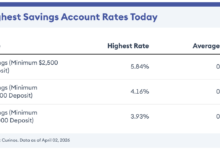
Savings account interest rates can vary depending on the bank and the type of account. It is essential to compare rates across different financial institutions to find the best option for maximizing your savings.
Checking Accounts
A checking account is a type of bank account that allows you to easily deposit and withdraw money for daily transactions. It provides a convenient way to manage your finances, pay bills, and make purchases.
Differences Between Checking and Savings Accounts
- Checking accounts are designed for frequent transactions, while savings accounts are meant for storing money and earning interest over time.
- Checking accounts typically have no limits on the number of withdrawals or transfers you can make, whereas savings accounts may have restrictions to encourage saving.
- Checking accounts often come with a debit card and checks for easy access to funds, while savings accounts may not offer these features.
Features of a Checking Account
- Ability to write checks or use a debit card for purchases.
- Access to online and mobile banking for easy account management.
- Option to set up direct deposits for paychecks or other income.
- Overdraft protection to avoid declined transactions in case of insufficient funds.
Tips for Managing a Checking Account Efficiently
- Monitor your account regularly to track your spending and ensure there are no unauthorized transactions.
- Set up alerts for low balances, large transactions, or upcoming bill payments to stay on top of your finances.
- Balance your account monthly to reconcile any discrepancies and avoid overdrawing your account.
- Avoid unnecessary fees by using ATMs within your bank’s network and opting for electronic statements instead of paper statements.
Overdraft Protection
Overdraft protection is a service offered by banks to prevent your account from becoming overdrawn when you don’t have enough funds to cover a transaction. It can help you avoid the embarrassment of declined transactions and costly overdraft fees.
Pros and Cons of Overdraft Protection
- Pros:
- Provides a safety net for unexpected expenses.
- Helps avoid declined transactions.
- May save you from costly overdraft fees.
- Cons:
- Can lead to increased debt if not used responsibly.
- May come with its own fees or charges.
- Can create a false sense of security, leading to overspending.
Tips for Avoiding Overdraft Fees
- Monitor your account balance regularly.
- Set up alerts for low balances or large transactions.
- Link your savings account for automatic transfers in case of overdraft.
- Keep a buffer amount in your checking account to avoid overdrawing.
How Overdraft Protection Works
Overdraft protection typically involves linking your checking account to another account, such as a savings account or a line of credit. When you don’t have enough funds in your checking account to cover a transaction, the bank will transfer money from the linked account to cover the shortfall.
Mobile Banking
Mobile banking has revolutionized the way we manage our finances, offering convenience and flexibility like never before. With just a few taps on your smartphone, you can access your accounts, transfer funds, pay bills, and much more. Let’s explore the benefits, features, and tips for secure mobile banking.
Benefits of Using Mobile Banking Apps
- Convenience: Access your accounts anytime, anywhere, without visiting a physical branch.
- Speed: Quickly check balances, make transactions, and track spending on the go.
- Security: Many apps offer advanced security features like biometric authentication to protect your financial information.
- Notifications: Receive alerts for account activity, upcoming bills, and payment due dates.
Features of Mobile Banking
- Account Management: View account balances, transaction history, and account details.
- Transfers: Easily transfer funds between accounts or to other individuals.
- Mobile Deposits: Deposit checks by taking a photo with your phone camera.
- Bill Payments: Set up recurring payments, pay bills, and schedule future payments.
Tips for Secure Mobile Banking
- Use Strong Passwords: Create unique passwords and enable biometric authentication if available.
- Secure Network: Avoid using public Wi-Fi for banking transactions, opt for secure networks.
- Update Regularly: Keep your banking app updated to ensure you have the latest security features.
- Monitor Activity: Regularly review your account activity and report any suspicious transactions immediately.
Convenience of Managing Finances Through Mobile Banking
Mobile banking offers unparalleled convenience, allowing you to stay on top of your finances no matter where you are. Whether you need to check your balance, transfer money, or pay a bill, you can do it all with just a few taps on your smartphone. With features like mobile deposits and instant notifications, managing your finances has never been easier.
International Banking
International banking involves conducting financial transactions and managing accounts across different countries and currencies.
Benefits of Having an International Bank Account
- Facilitates international transactions without currency conversion fees
- Allows access to global investment opportunities
- Provides financial flexibility for frequent travelers or expats
Managing International Transactions
When managing international transactions, it is essential to:
- Monitor exchange rates to optimize currency conversions
- Be aware of international transaction fees charged by banks
- Ensure compliance with international banking regulations
Considerations for Opening an International Bank Account
Before opening an international bank account, consider the following:
- Research reputable international banks with a global presence
- Understand the fees associated with maintaining an international account
- Ensure the bank offers online banking and mobile banking services for convenience
Closing a Bank Account
Closing a bank account is a straightforward process, but it’s essential to follow the correct steps to avoid any issues. Before closing your account, there are important factors to consider, such as ensuring all outstanding transactions have been processed and making arrangements to transfer your funds to a new account. Additionally, closing a bank account can impact your credit score, so it’s crucial to understand how this decision may affect your financial standing.
Steps to Close a Bank Account
- Contact your bank: Reach out to your bank either in person, over the phone, or through their online portal to inform them of your decision to close the account.
- Clear all transactions: Make sure all outstanding payments have been processed and any pending deposits have been credited to your account.
- Transfer remaining funds: Transfer the remaining balance to a new account or request a check for the remaining amount.
- Get confirmation: Ask for written confirmation that your account has been closed successfully.
Considerations before Closing an Account
- Review recurring payments: Ensure all automatic payments linked to the account have been canceled or transferred to a new account to avoid any missed payments.
- Update direct deposits: If you receive direct deposits, notify your employer or provider to redirect payments to a new account.
- Check for fees: Be aware of any early closure fees that may apply to your account and settle any outstanding fees before closing.
Impact on Credit Score
Closing a bank account does not directly impact your credit score, as bank account activity is not reported to credit bureaus. However, if the account closure leads to missed payments or overdrafts, it could indirectly affect your credit.
Transferring Funds before Closing
- Transfer online: Use online banking to transfer funds to a new account, ensuring all transactions are completed before initiating the closure process.
- Request a check: If you prefer, request a check for the remaining balance and deposit it into your new account to avoid any delays in accessing your funds.
Concluding Remarks
In conclusion, a bank account is not just a place to store your money; it’s a tool for financial growth and stability. By understanding how to make the most of your bank account, you can pave the way for a brighter financial future.

Digital content creator with an eye for detail and a focus on trending global topics.