When it comes to financial planning, securing the best savings account rates is crucial. Delve into this comprehensive guide that explores the intricacies of savings rates, offering invaluable insights for maximizing your savings potential.
From understanding different types of savings accounts to deciphering the impact of APY versus APR, this guide equips you with the knowledge needed to make informed decisions about your financial future.




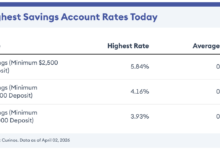

Overview of Savings Account Rates
When it comes to savings accounts, the interest rate offered by financial institutions plays a crucial role. Savings account rates refer to the percentage of interest that you earn on the money deposited in your savings account over time. This interest is typically calculated on a monthly or annual basis, depending on the institution’s policies.
Importance of Finding the Best Rates
Finding the best savings account rates is important because it directly impacts how much your money will grow over time. Higher interest rates mean your savings will accumulate faster, allowing you to reach your financial goals sooner. By comparing rates and choosing the best option, you can maximize the growth of your savings and make the most of your hard-earned money.
Variation Among Different Financial Institutions
Savings account rates can vary significantly among different financial institutions. Banks, credit unions, and online banks each offer their own set of interest rates based on various factors such as market conditions, competition, and the institution’s business model. It’s important to shop around and compare rates to ensure you are getting the best possible return on your savings.
Factors Affecting Savings Account Rates
When it comes to savings account rates, several key factors come into play that determine the interest rates offered to account holders. These factors can vary depending on economic conditions and other external influences.
Economic Conditions
Economic conditions play a significant role in determining savings account rates. When the economy is strong and interest rates are high, banks tend to offer higher rates to attract deposits. On the other hand, during periods of economic downturn or low interest rates set by the central bank, savings account rates may be lower to reflect the overall market conditions.
Inflation
Inflation is another crucial factor that impacts savings account rates. When inflation is high, the purchasing power of money decreases over time. To combat the effects of inflation, banks may adjust their savings account rates to ensure that account holders are earning enough interest to keep up with the rising cost of living. Inflation can erode the real value of savings, so it’s essential for banks to offer competitive rates to help account holders preserve the value of their money.
Types of Savings Accounts
When it comes to saving money, there are different types of savings accounts to choose from, each with its own set of features and benefits. Understanding the differences between these accounts can help you make an informed decision about where to keep your savings.
Traditional Savings Accounts
Traditional savings accounts are offered by banks and credit unions and typically offer low interest rates. While they are easy to open and provide easy access to your funds, the interest earned is often minimal.
High-Yield Savings Accounts
High-yield savings accounts, on the other hand, offer higher interest rates compared to traditional savings accounts. These accounts are typically offered by online banks and have fewer fees. They are a great option for those looking to maximize their savings and earn more interest.
Money Market Accounts
Money market accounts are another type of savings account that generally offer higher interest rates than traditional savings accounts. These accounts may have higher minimum balance requirements, but they often come with check-writing privileges and debit card access, making them a convenient option for those who need quick access to their funds.
How to Find the Best Savings Account Rates
Finding the best savings account rates is essential for maximizing your savings. Here are some tips to help you in your search:
Researching and Comparing Savings Account Rates
When looking for the best savings account rates, it’s important to research and compare rates offered by different financial institutions. Visit bank websites, use online comparison tools, and read reviews to get a better idea of the rates available.
Considering Fees and Minimum Balance Requirements
In addition to interest rates, it’s crucial to consider any fees and minimum balance requirements associated with a savings account. Some accounts may offer high rates but come with hidden fees or require a high minimum balance, which could eat into your savings over time.
Online Banks vs. Traditional Banks
Online banks often offer higher savings account rates compared to traditional banks. This is because online banks have lower overhead costs and can pass on the savings to customers in the form of higher interest rates. Consider opening an account with an online bank to take advantage of potentially better rates.
Understanding APY vs. APR
When comparing savings account rates, it is crucial to understand the difference between Annual Percentage Yield (APY) and Annual Percentage Rate (APR). While both are important metrics in evaluating the return on your savings, they serve different purposes.
APR represents the annual interest rate on a savings account without taking into account the effects of compounding. On the other hand, APY factors in compounding interest, giving a more accurate reflection of the actual return on your savings over a year.
How APY affects the overall return on savings
- APY considers the effect of compounding on your savings, which means you earn interest on both your initial deposit and the interest that accrues over time. This can significantly boost your overall return compared to APR.
- Higher APY translates to more substantial growth of your savings over time, making it a crucial factor to consider when choosing a savings account.
- By focusing on APY, you can maximize the growth of your savings and ensure that your money works harder for you in the long run.
Why it’s important to focus on APY when comparing savings account rates
- APY provides a more accurate representation of the actual return you can expect on your savings, considering compounding effects.
- Comparing savings account rates based on APY allows you to make informed decisions about where to keep your money to maximize growth.
- Choosing a savings account with a higher APY can help you reach your financial goals faster by accelerating the growth of your savings through compounding interest.
Benefits of High Savings Account Rates
Earning higher interest on savings accounts can provide numerous advantages for individuals looking to grow their wealth and achieve financial goals. One of the key benefits is the ability to maximize savings through compounding interest, which can significantly amplify the growth of funds over time. Additionally, high savings account rates can help individuals reach their financial objectives faster by increasing the overall return on their savings.
Maximizing Savings through Compounding Interest
- Compounding interest allows the interest earned on savings to be added to the principal amount, resulting in higher overall returns.
- Over time, the effect of compounding interest can lead to exponential growth in savings, especially when combined with high interest rates.
- By reinvesting the interest earned back into the savings account, individuals can accelerate the growth of their funds and achieve their financial goals sooner.
Accelerating Financial Goals
- High savings account rates enable individuals to accumulate more wealth over time, providing a solid foundation for future financial stability.
- With increased interest earnings, individuals can expedite the achievement of short-term goals, such as building an emergency fund or saving for a large purchase.
- Long-term financial objectives, such as retirement savings or education funds, can also benefit from high savings rates, helping individuals secure their financial future.
Risks and Considerations
When chasing the highest savings account rates, there are certain risks and considerations that individuals need to be aware of to make informed decisions about their finances. It is important to understand these factors before committing to a particular savings account.
Potential Risks Associated with Chasing the Highest Savings Account Rates
- Higher rates may come with stricter terms and conditions, such as minimum balance requirements or limits on withdrawals.
- Some banks offering high rates may not be as financially stable, posing a risk to your savings in case of bank failure.
- High rates may be temporary promotional offers that could decrease after a certain period, leading to lower returns in the long run.
The Importance of Liquidity and Access to Funds
- Choosing a savings account with high rates but limited access to funds may not be suitable for emergencies or unexpected expenses.
- Consider the balance between earning high interest and having the flexibility to withdraw funds when needed.
How Rate Fluctuations Can Impact Long-Term Savings Strategies
- Changes in interest rates can affect the overall return on savings, impacting your financial goals and long-term savings strategy.
- It is essential to consider the potential impact of rate fluctuations on your savings over time and adjust your strategy accordingly.
Promotions and Introductory Rates
When looking for a savings account, you may come across banks offering promotions and introductory rates to attract new customers. These special offers can be enticing, but it’s essential to understand the pros and cons before making a decision. Evaluating the long-term benefits of promotional rates is crucial to ensure that you are getting the best deal for your savings.
Common Promotions Offered by Banks
- Bonus interest rates for the first few months of account opening
- Cash rewards for maintaining a minimum balance for a specific period
- Waived fees for a certain period
- Gift cards or other incentives for opening a new account
Pros and Cons of Introductory Rates on Savings Accounts
- Pros:
- Opportunity to earn higher interest rates initially
- Incentive to start saving with a specific bank
- Potential to maximize savings with bonus offers
- Cons:
- Rates may drop significantly after the promotional period
- Minimum balance requirements or fees may apply after the offer ends
- Switching banks for better rates can be cumbersome
Evaluating Long-Term Benefits of Promotional Rates
To determine the true value of promotional rates, consider the following:
Compare the ongoing interest rates after the promotion ends.
Calculate the total interest earned over time with and without the promotional offer.
Factor in any additional fees or requirements associated with the account.
Assess your long-term savings goals and whether the account aligns with your financial objectives.
Online Tools for Comparing Rates
When it comes to finding the best savings account rates, utilizing online tools can be a game-changer. These tools provide you with a quick and easy way to compare rates from different financial institutions, helping you make an informed decision on where to park your money.
Popular Online Tools and Websites
- Bankrate: Bankrate is a well-known website that offers a comparison tool for savings account rates. You can filter results based on your location, deposit amount, and other preferences.
- NerdWallet: NerdWallet provides a user-friendly platform to compare savings account rates. They also offer detailed reviews and insights to help you choose the right account for your needs.
- DepositAccounts: DepositAccounts is another valuable resource that allows you to compare savings account rates, as well as read customer reviews and ratings for different banks.
How to Use These Tools Effectively
- Start by entering your criteria, such as the amount you plan to deposit and your location, to get tailored results.
- Compare not only the interest rates but also the fees, minimum balance requirements, and other account features that may impact your overall earnings.
- Check for updated information regularly, as rates can change frequently. It’s important to stay informed to ensure you are getting the best deal.
Importance of Checking for Updated Information and Reviews
- By staying up-to-date with the latest rates and reviews, you can take advantage of new promotions or offers from banks looking to attract new customers.
- Reading reviews from other account holders can provide valuable insights into the customer service and overall experience offered by different financial institutions.
- Regularly reviewing your savings account options ensures that you are maximizing your earnings and making the most of your money.
Tax Implications of High Savings Account Rates
When it comes to earning interest on your savings account, it’s important to consider the tax implications that come along with it. The interest earned on savings accounts is typically considered taxable income by the IRS.
How Interest Earned on Savings Accounts is Taxed
Interest earned on savings accounts is reported on your annual tax return as part of your taxable income. The financial institution where you hold your savings account will provide you with a Form 1099-INT detailing the amount of interest earned during the tax year.
Impact of Taxes on Effective Rate of Return
The impact of taxes on the effective rate of return for savers is significant. Taxes reduce the amount of interest you actually get to keep, which in turn lowers the overall return on your savings. This means that your after-tax return will be lower than the stated interest rate on your savings account.
Strategies for Minimizing Tax Liabilities
To minimize tax liabilities while maximizing savings, consider investing in tax-advantaged accounts like a Roth IRA or a 401(k). These accounts offer tax benefits that can help you grow your savings more efficiently. Additionally, you can also explore tax-exempt municipal bonds or other tax-efficient investment options to reduce the impact of taxes on your savings.
Customer Reviews and Satisfaction
Customer reviews are crucial when it comes to choosing a bank for your savings account. These reviews provide valuable insights into the quality of customer service, overall satisfaction, and the banking experience offered by different financial institutions. Taking the time to research customer feedback can help ensure a positive and hassle-free banking experience.
Importance of Customer Reviews
- Customer reviews offer real-life experiences and insights from current and past clients of the bank.
- They can help you gauge the level of customer service, response time, and overall satisfaction of account holders.
- By reading reviews, you can avoid potential issues or drawbacks that other customers have encountered.
Researching Customer Feedback
- Look for reviews on independent websites, social media platforms, and consumer forums.
- Pay attention to recurring themes or issues mentioned in multiple reviews.
- Consider the overall rating and feedback from a large number of customers to get a clear picture.
- Reach out to the bank directly with any questions or concerns based on the feedback you have gathered.
Final Summary
With a focus on optimizing your savings through high-interest rates, this guide empowers you to navigate the complex world of savings accounts with confidence. Stay informed, make wise choices, and watch your savings grow steadily over time.

Digital content creator with an eye for detail and a focus on trending global topics.