High interest savings account sets the stage for this enthralling narrative, offering readers a glimpse into a story that is rich in detail and brimming with originality. Explaining what sets high interest savings accounts apart from regular ones, the benefits they offer, and the key features and requirements, this topic delves into the world of smart saving strategies.
Overview of High Interest Savings Account
A high interest savings account is a type of savings account that offers a higher interest rate compared to a regular savings account. This means that your money can grow faster over time due to the higher interest earned on your balance.



Having a high interest savings account comes with several benefits. Not only do you earn more interest on your savings, but these accounts also typically have no monthly fees and may offer easy access to your funds through online banking or ATMs. Additionally, high interest savings accounts are a safe and secure way to save money, as they are typically insured by the government up to a certain amount.
Typical Features and Requirements of a High Interest Savings Account
- Higher Interest Rates: High interest savings accounts offer higher interest rates compared to regular savings accounts, allowing your money to grow faster.
- No Monthly Fees: Many high interest savings accounts do not have monthly fees, making it a cost-effective way to save.
- Easy Access to Funds: These accounts often provide easy access to your money through online banking, mobile banking, or ATMs.
- Government Insurance: High interest savings accounts are typically insured by the government up to a certain amount, providing security for your savings.
- Minimum Balance Requirement: Some high interest savings accounts may require a minimum balance to open the account and/or earn the high interest rate.
Interest Rates
Interest rates play a crucial role in high interest savings accounts as they determine how much money you can earn on your savings over time. These rates are expressed as a percentage of the amount deposited in the account, and they can vary depending on the financial institution and prevailing market conditions.
Comparison of Interest Rates
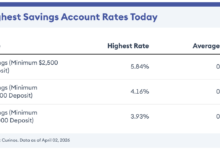
When comparing interest rates offered by different financial institutions for high interest savings accounts, it is essential to look at the Annual Percentage Yield (APY). This figure takes into account compounding interest, giving you a more accurate representation of how much you can earn over a year. Some banks or credit unions may offer promotional rates or tiered rates based on the amount deposited.
- Bank A: 1.50% APY
- Credit Union B: 1.75% APY
- Online Bank C: 2.00% APY
Factors Affecting Interest Rates
Several factors can influence the interest rates on high interest savings accounts. These include the current economic environment, the Federal Reserve’s monetary policy, competition among financial institutions, and the institution’s operating costs. Additionally, the type of account, balance requirements, and promotional offers can impact the interest rates offered.
- Market Conditions: Fluctuations in the economy can lead to changes in interest rates.
- Federal Reserve Policy: The Fed’s decisions on interest rates can have a trickle-down effect on savings rates.
- Competition: Banks may adjust their rates to attract more customers.
- Account Type: Different types of high interest savings accounts may offer varying rates.
- Operating Costs: Institutions with lower overhead costs may be able to offer higher rates.
Account Fees
When considering a high interest savings account, it is essential to be aware of the various fees that may be associated with it. These fees can impact the overall returns on your savings, so it is important to understand them and take steps to minimize their impact.
Common Fees Associated with High Interest Savings Accounts
- Monthly Maintenance Fees: Some high interest savings accounts may charge a monthly maintenance fee for keeping the account open.
- Excess Withdrawal Fees: If you exceed the allowed number of withdrawals per month, you may incur a fee for each additional withdrawal.
- Minimum Balance Fees: Falling below the minimum balance required for the account may result in a fee.
- Transfer Fees: Fees may apply when transferring funds between accounts or financial institutions.
How Fees Impact Overall Returns
Account fees can eat into the interest earned on your savings, reducing the overall returns on your high interest savings account. It is important to factor in these fees when calculating the actual yield on your savings.
Tips to Minimize Fees
- Choose an account with no monthly maintenance fees or look for ways to waive them, such as maintaining a minimum balance.
- Be mindful of the number of withdrawals allowed per month to avoid excess withdrawal fees.
- Opt for accounts with low or no transfer fees, especially if you frequently move funds between accounts.
- Regularly review your account statements to catch any unexpected fees and address them promptly.
Deposit and Withdrawal Options
When it comes to managing your high interest savings account, understanding the deposit and withdrawal options is crucial. This section will delve into the different ways you can deposit money into your account and the withdrawal options available to access your funds.
Deposit Options
- Direct deposit: Set up direct deposit with your employer to have a portion of your paycheck automatically deposited into your high interest savings account.
- Online transfers: Easily transfer money from your checking account to your high interest savings account through online banking portals.
- Mobile check deposit: Use your bank’s mobile app to deposit checks by taking a picture of the front and back of the check.
- In-person deposits: Visit a physical branch of your bank to deposit cash or checks with a teller.
Withdrawal Options
- ATM withdrawals: Access your funds conveniently through ATMs using your debit card linked to your high interest savings account.
- Online transfers: Transfer money from your high interest savings account to your checking account through online banking platforms for easy access.
- In-person withdrawals: Visit a bank branch to withdraw cash from your high interest savings account with the assistance of a teller.
- ACH transfers: Initiate electronic transfers to move funds between your high interest savings account and other linked accounts.
Ease of Access Comparison
Accessing funds from a high interest savings account may be slightly more limited compared to other types of accounts like checking accounts. While high interest savings accounts offer competitive interest rates, they may have restrictions on the number of withdrawals you can make per month to maintain the high interest rate. On the other hand, checking accounts provide easier access to funds for everyday transactions with features like debit cards and unlimited transactions. It’s important to consider your financial needs and goals when choosing between account types.
Minimum Balance Requirements
Maintaining a minimum balance in a high interest savings account is a common requirement set by financial institutions. This minimum balance is the lowest amount of funds that must be kept in the account at all times to avoid fees or penalties.
Impact of Minimum Balance
- Financial institutions often offer higher interest rates for accounts with higher minimum balance requirements. This means that the account holder can earn more interest by keeping a larger sum of money in the account.
- On the other hand, failing to meet the minimum balance requirement may result in the account holder being charged fees or seeing a reduction in the interest rate earned on the account.
- Some institutions may offer tiered interest rates based on the account balance, providing an incentive for the account holder to maintain a higher minimum balance to maximize their earnings.
Examples of Minimum Balance Requirements
| Financial Institution | Minimum Balance Requirement |
|---|---|
| Bank A | $500 |
| Credit Union B | $1,000 |
| Online Bank C | $5,000 |
Safety and Security
In today’s digital age, ensuring the safety and security of your funds in a high interest savings account is paramount. Let’s delve into the measures in place to protect your money and how you can further enhance the security of your account.
Safety Measures
- Encryption: Most financial institutions use encryption to secure online transactions and protect sensitive information. This ensures that your data is scrambled and cannot be easily intercepted by cybercriminals.
- Two-Factor Authentication: Many banks offer two-factor authentication as an extra layer of security. This typically involves receiving a code on your phone that you need to enter along with your password when logging in.
- Fraud Monitoring: Banks employ sophisticated fraud monitoring systems to detect any unusual activity on your account. This helps in identifying and preventing fraudulent transactions.
Regulatory Oversight
- Federal Deposit Insurance Corporation (FDIC): In the United States, high interest savings accounts are often insured by the FDIC up to a certain limit. This means that even if the bank fails, your funds are protected.
- Financial Conduct Authority (FCA): In the UK, the FCA regulates financial institutions to ensure they adhere to strict security standards and protect consumers’ interests.
Enhancing Account Security
- Strong Passwords: Use unique and complex passwords for your account and avoid sharing them with anyone. Consider using a password manager to securely store your login credentials.
- Regular Monitoring: Keep a close eye on your account activity and report any suspicious transactions to your bank immediately.
- Update Contact Information: Ensure that your contact details are up to date with your bank so they can reach you in case of any unusual account activity.
Interest Calculation Methods
Interest calculation methods are crucial in determining how much you can earn from your high interest savings account. Financial institutions use different methods to calculate interest, with compounding playing a significant role in the growth of your savings.
Simple Interest
Simple interest is calculated based on the principal amount deposited into your high interest savings account. The interest earned remains constant throughout the account’s lifespan, as it is calculated solely on the initial deposit. This method is straightforward and easy to understand, making it a good option for those looking for simplicity.
Compound Interest
Compound interest, on the other hand, takes into account not only the initial deposit but also the interest earned on that deposit. This means that your savings grow at an increasing rate over time, as the interest is added back to the principal amount, resulting in higher returns. The compounding effect allows your savings to grow faster compared to simple interest.
Advantages and Disadvantages
- Advantages of compound interest:
- Higher returns over time due to the compounding effect.
- Encourages long-term saving habits by maximizing growth potential.
- Reflects the true value of money over time as it considers interest on interest.
- Disadvantages of compound interest:
- May be more complex to understand compared to simple interest.
- Can lead to higher fees or penalties if not managed properly.
- Requires a longer time horizon to fully benefit from the compounding effect.
In conclusion, understanding the different interest calculation methods used by financial institutions can help you make informed decisions about where to save your money for optimal growth. Whether you prefer the simplicity of simple interest or the potential for higher returns with compound interest, choosing the right method can have a significant impact on your savings over time.
Accessibility and Online Banking
Accessing a high interest savings account online offers unparalleled convenience and flexibility for account holders. Online banking has become a popular choice for managing finances efficiently and securely.
Features and Benefits of Online Banking
- 24/7 Access: Online banking allows you to check your account balance, transfer funds, and monitor transactions at any time of the day or night, without being restricted by branch hours.
- Convenience: With online banking, you can perform various banking tasks from the comfort of your home or on the go using a computer or mobile device.
- Electronic Statements: Online banking provides access to electronic statements, reducing paper clutter and allowing you to easily view and download your transaction history.
- Bill Payment: Many online banking platforms offer the convenience of paying bills online, saving time and eliminating the need for writing and mailing checks.
Tips for Effective High Interest Savings Account Management through Online Banking
- Set up Account Alerts: Take advantage of account alerts to receive notifications about account activity, low balances, or upcoming payments.
- Monitor Regularly: Make it a habit to regularly check your account balance and transactions to detect any unauthorized activity or errors promptly.
- Automate Savings: Use automatic transfers to move funds from your checking account to your high interest savings account regularly to help grow your savings effortlessly.
- Utilize Budgeting Tools: Many online banking platforms offer budgeting tools to help you track your spending, set financial goals, and stay on top of your finances.
Customer Service and Support
Customer service is a crucial aspect to consider when choosing a high interest savings account. The level of support provided by financial institutions can greatly impact your overall banking experience. Whether you have inquiries about your account, need assistance with transactions, or encounter any issues, reliable customer service can make a significant difference.
Quality of Customer Support
- Availability of customer service representatives via phone, email, or live chat.
- Response time for resolving customer queries or concerns.
- Professionalism and knowledge of customer service staff.
- Options for accessing customer support outside of regular banking hours.
Importance of Reliable Customer Service
Having access to prompt and efficient customer service is essential for high interest savings account holders. In case of any issues or questions regarding your account, reliable customer support can provide peace of mind and ensure that your financial needs are met in a timely manner.
Last Recap
In conclusion, high interest savings accounts present a lucrative opportunity for individuals looking to grow their savings efficiently. By understanding the nuances of interest rates, account fees, deposit and withdrawal options, minimum balance requirements, safety measures, interest calculation methods, online accessibility, and customer service, account holders can make informed decisions to secure their financial future.

Digital content creator with an eye for detail and a focus on trending global topics.